In the vast, ever-expanding desert of science fiction adaptations, few sagas command as much fervent devotion as Frank Herbert's Dune. While recent cinematic blockbusters have reignited interest in Arrakis, it's essential to look back at the groundbreaking television series that brought Herbert's intricate universe to life for a new generation: Frank Herbert's Dune (2000). This Emmy-winning Syfy miniseries, a pivotal moment in the history of the Dune TV show adaptations, offered a depth and fidelity to the source material that had largely been missing from previous attempts.
The Unveiling of Frank Herbert's Dune (2000): A Television Triumph
The turn of the millennium marked a significant moment for Dune enthusiasts. After David Lynch's polarizing 1984 film, many fans yearned for an adaptation that truly captured the epic scope, philosophical undertones, and political machinations of Herbert's seminal 1965 novel. Enter the Sci Fi Channel (now Syfy), which embarked on an ambitious international co-production with companies from Germany, Canada, and Italy to create a three-part miniseries. Premiering on December 3, 2000, Frank Herbert's Dune was a landmark event, proving that television could tackle complex, big-budget science fiction on a scale previously reserved for cinema.
Bringing Arrakis to the Small Screen: A Vision of Faithfulness
One of the most praised aspects of the 2000 miniseries was its unwavering commitment to the original novel. Written for the screen and directed by John Harrison, the adaptation benefited immensely from the longer format inherent in a miniseries. Unlike a two-hour film, the three installments allowed for a more deliberate pacing, enabling the nuanced exploration of characters, intricate plot developments, and Herbert's rich world-building without feeling rushed or overly condensed. Harrison’s vision prioritized narrative fidelity, translating many of the novel's internal monologues and complex political dynamics directly to the screen, a feat that deeply resonated with long-time fans.
This commitment to faithfulness was not merely a stylistic choice; it was a strategic one that addressed previous criticisms of adaptations. Herbert's Dune is notoriously dense, packed with intricate religious, ecological, and sociological themes. To compress this into a standard film often meant sacrificing significant portions of its depth. The miniseries format allowed for:
- Expanded Character Arcs: More time to develop Paul Atreides' transformation, Lady Jessica's struggles, and the political maneuvering of characters like Baron Harkonnen.
- Detailed World-Building: Greater opportunity to showcase the Fremen culture, the Bene Gesserit's machinations, and the ecological challenges of Arrakis.
- Philosophical Exploration: Room to delve into Herbert's themes of destiny, free will, environmentalism, and the dangers of charismatic leadership.
Star-Studded Cast Embodies Iconic Characters
A compelling narrative requires a strong ensemble, and the 2000 Dune TV show delivered. The miniseries featured a talented cast that brought Herbert's iconic figures to life:
- Alec Newman as Paul Atreides: Newman convincingly portrayed Paul's journey from a privileged young duke to the messianic Muad'Dib, capturing both his vulnerability and his growing power.
- William Hurt as Duke Leto Atreides: Hurt lent gravitas and nobility to the doomed patriarch, making his brief but crucial presence deeply impactful.
- Saskia Reeves as Lady Jessica: Reeves delivered a nuanced performance as the Bene Gesserit concubine, torn between her loyalty to her Duke, her son, and her Sisterhood's ancient plans.
- Ian McNeice as Baron Vladimir Harkonnen: McNeice's portrayal of the villainous Baron was particularly memorable, capturing his depravity and cunning in a way that felt both terrifying and undeniably authentic to the novel.
- Julie Cox as Princess Irulan: Cox brought a regal presence to the Bene Gesserit historian, whose observations frame much of the narrative.
- Giancarlo Giannini as Emperor Shaddam IV: Giannini offered a subtle yet powerful portrayal of the manipulative Padishah Emperor, whose fear of the Atreides house sets the galactic conflict in motion.
This international cast contributed to the miniseries' ability to create a diverse and believable universe, enhancing the audience's immersion in Arrakis and beyond.
Emmy Accolades: Recognizing Visual Brilliance in the Dune Tv Show
The quality of Frank Herbert's Dune did not go unnoticed. Upon its release, it received generally positive reviews from both critics and audiences, largely due to its fidelity to the novel. However, its excellence was formally recognized at the highest level of television achievement: the Primetime Emmy Awards. The miniseries was nominated for three Primetime Emmy Awards and ultimately secured two prestigious wins, a significant triumph for a cable network production at the time.
Beyond Just "Good": The Impact of Outstanding Cinematography
The two Emmy Awards won by the 2000 Dune TV show were for Outstanding Cinematography for a Limited Series or Movie. This recognition speaks volumes about the visual artistry and technical prowess involved in bringing the alien landscapes and intricate cultures of Dune to life. Cinematography in a science fiction epic like Dune is not merely about pretty pictures; it's about:
- Establishing Atmosphere: Conveying the oppressive heat of Arrakis, the grandeur of the Atreides' new home, and the shadowy halls of power.
- Visual Storytelling: Using light, shadow, and camera angles to convey emotion, power dynamics, and plot points without relying solely on dialogue.
- World-Building Through Imagery: Making the ornate costumes, alien architecture, and vast, desolate landscapes feel tangible and real to the viewer.
The visual style of the miniseries, while perhaps dated by modern standards, was revolutionary for its time on television. The Emmy wins validated the significant effort put into crafting a visually compelling narrative that respected the source material's often fantastical descriptions. It proved that a Syfy Dune TV show could achieve artistic recognition on par with more traditional network productions.
A Pillar in the Dune Adaptation Saga: Its Enduring Legacy
The 2000 miniseries holds a unique and crucial position in the pantheon of Dune adaptations. It is the second overall filmed adaptation of Herbert's novel, following David Lynch's 1984 film, and preceding Denis Villeneuve’s critically acclaimed two-part film adaptation (2021 and 2024). Each adaptation has offered a distinct interpretation, yet the Syfy miniseries is often lauded for its textual accuracy.
Comparing Adaptations: From Lynch's Vision to Villeneuve's Epics
While Lynch's film is a visually distinctive cult classic, it often strayed significantly from Herbert's narrative, leaving many fans feeling underserved. Villeneuve's recent films, on the other hand, have masterfully balanced visual spectacle with narrative depth, garnering widespread critical and commercial success. The 2000 Dune TV show sits comfortably between these, offering a bridge for those who appreciated Lynch's ambition but craved more adherence to the book, and serving as a foundational reference point before the arrival of Villeneuve's modern interpretation.
Its enduring appeal lies in its commitment to delivering as much of Herbert's narrative as possible within a visual medium, making it an invaluable resource for understanding the complexities of the original text. It allowed audiences to experience the full breadth of Paul Atreides' journey, his visions, and the political machinations that define the universe of Dune.
The Expanding Universe: Children of Dune and Prophecy
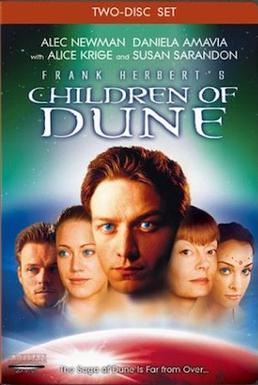
The success of Frank Herbert's Dune naturally paved the way for further exploration of the Dune universe on television. Its direct follow-up, Frank Herbert's Children of Dune (2003), continued the narrative, exploring the aftermath of Paul Atreides' rise and its profound impact on his children. This sequel series cemented Syfy's reputation for tackling ambitious science fiction sagas.
Looking even further, the upcoming HBO series, Dune: Prophecy (formerly known as Dune: The Sisterhood), is set 10,000 years before the events of the original novel. It promises to delve into the origins of the fabled Bene Gesserit order, following sisters Valya and Tula Harkonnen as they combat threats to humanity's future. The renewal of Dune: Prophecy for a second season at HBO underscores the continued, vibrant life of the Dune universe on television, building upon the path first forged by the 2000 miniseries.
Why You Should Revisit This Classic Dune Tv Show Today
For fans new and old, revisiting the 2000 Frank Herbert's Dune miniseries is a rewarding experience. It offers a unique perspective that complements other adaptations and provides insights into the challenges and triumphs of bringing such a monumental work to the screen.
Tips for Appreciating the Syfy Miniseries
- Embrace the Fidelity: If you are a purist of Herbert's novel, this miniseries is arguably the most faithful visual adaptation available. Pay attention to the details and dialogues directly lifted from the book.
- Contextualize the Visuals: While special effects have evolved dramatically, appreciate the ambition and artistic direction given the technological constraints and budget of early 2000s television. The Emmy for cinematography is a testament to its visual impact at the time.
- Seek Out the Director's Cut: An extended director's cut was released on DVD in 2002. This version offers even more depth and nuance, providing a truly comprehensive viewing experience for those eager to delve deeper into the narrative.
- Understand its Legacy: View it as a crucial stepping stone. It proved that a long-form television format was ideal for Dune, paving the way for further televised explorations of Arrakis.
Finding the miniseries today is still possible, often through DVD releases or various streaming platforms, making it accessible for new audiences to discover this significant piece of Dune TV show history.
The 2000 Syfy miniseries, Frank Herbert's Dune, stands as a testament to the enduring power of its source material and the ambition of television to tackle epic narratives. With its Emmy wins, dedicated cast, and unwavering faithfulness to Herbert's vision, it cemented its place as a cherished adaptation for many. As the Dune universe continues to expand across screens both large and small, this Emmy-winning Dune TV show remains a vital, influential, and thoroughly enjoyable chapter in the saga of Arrakis.